A hybrid heating system in Blue Springs, MO pairs an electric heat pump with a gas furnace so your home automatically runs on whichever fuel costs less at that moment. Jackson County's swing from 60-degree afternoons to single-digit nights in the same week is exactly the kind of volatility this setup was built for. Here's how the switchover actually works, what it costs going into 2026, and when it's worth skipping.
How a Hybrid Heating System Works
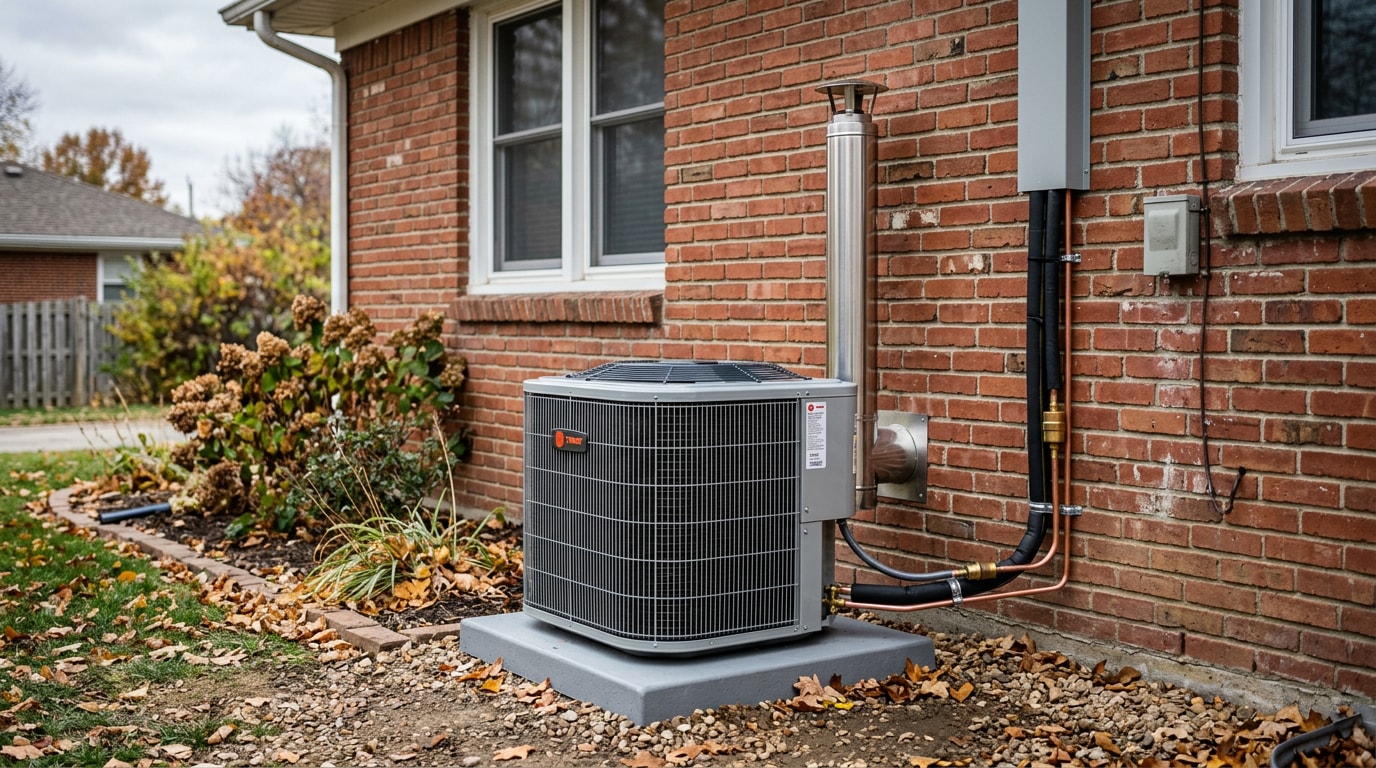
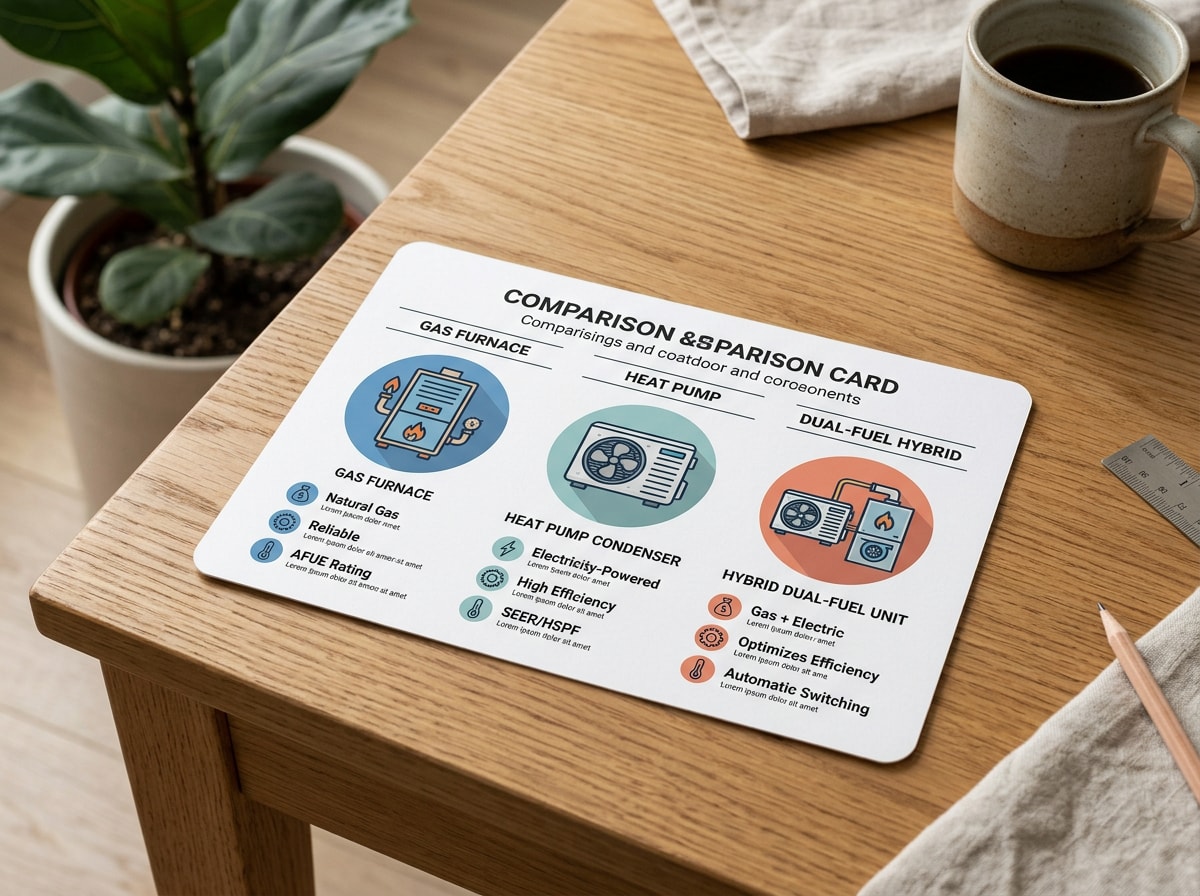
A hybrid, or dual-fuel, system runs an electric heat pump as the primary heat source and keeps a gas furnace on standby for the coldest stretches of the year. A dual-fuel system combines the strengths of two heating sources and is designed to automatically switch between the two heat sources based on the outdoor temperature. When the weather is milder, the heat pump handles heating, and when temperatures drop significantly, the furnace takes over .
That handoff happens at the balance point. This is the specific outdoor temperature at which running your heat pump becomes more expensive than running your furnace, and it mostly depends on your heat pump and your local electricity rate . A smart thermostat monitors conditions and triggers the switch automatically, so nobody has to flip a switch or check a forecast.
Our installers set that balance point differently on almost every Blue Springs job, because the right crossover temperature depends on the specific heat pump's cold-weather output and what the homeowner pays per kilowatt-hour. A system dialed in for a ranch in Lee's Summit isn't necessarily right for a two-story with a finished basement three miles away. That's the kind of fine-tuning a heat pump installation specialist should walk you through before anything gets installed, not after.
Why It's Called a "Dual-Fuel" System
The name refers to the two energy sources in play: electricity for the heat pump and natural gas (or propane in some rural setups) for the furnace. Dual fuel HVAC systems combine an electric heat pump with a gas furnace to create a more flexible heating solution, switching between electricity and gas based on outdoor temperatures and efficiency needs .
Why Blue Springs Winters Make Hybrid Heating a Good Fit
Jackson County doesn't commit to one kind of winter. One week brings a mild thaw; the next brings a hard freeze. NWS records show Kansas City's warmest winter season on record averaged 37.1 degrees (1991-1992) while the coldest averaged just 21.5 degrees (1978-1979) , and the metro has seen temperatures as low as -23 degrees in December 1989 , according to National Weather Service climatology for the area.
That range is where single-fuel systems start to struggle. A heat pump alone can lose efficiency once temperatures drop into the teens and single digits, leaning harder on backup electric strips that run up utility bills fast. A furnace alone burns gas even during the 50-degree afternoons when a heat pump would do the job for less. A hybrid system splits the difference, which is a big part of why it's become a standard recommendation for homes we service through Blue Springs and the surrounding Jackson County area.
Benefits of a Hybrid Heating System
The appeal comes down to three things: steadier comfort, lower electric bills most of the year, and less wear on any single piece of equipment.
- Lower energy costs most of the year.
New peer-reviewed research from national laboratories shows that for over 90% of American households assessed, replacing worn-out heating equipment with the right heat pump will save on energy bills . Leaning on the heat pump whenever outdoor conditions allow keeps that savings flowing without sacrificing backup heat on the coldest nights.
- Less strain on each unit. Splitting the heating season between two machines means neither one runs nonstop. The furnace only fires up during cold snaps instead of carrying the full winter.
- Backup heat you can count on. Unlike a heat-pump-only system that leans on electric resistance coils in extreme cold, a hybrid setup switches to gas, which is typically cheaper to run once temperatures drop well below freezing.
- Dehumidification and cooling in the same system. The heat pump side doubles as your air conditioner, so you're not paying for a separate cooling system on top of the furnace.
Hybrid Heating System Costs in Blue Springs, MO (2026)
Installed cost depends on equipment tier, ductwork condition, and whether an existing furnace can be reused instead of replaced. Here's how the three main options generally stack up:
| System Type | Relative Install Cost | Fuel Source | Best Fit |
|---|---|---|---|
| Furnace only | Lowest | Gas | Homes prioritizing lowest upfront cost |
| Heat pump only | Moderate | Electric | Mild climates or all-electric homes |
| Hybrid (dual-fuel) | Highest | Electric + gas | Homes with existing gas service and wide winter swings |
One thing worth knowing before you budget: the federal tax credit picture changed for 2026. Section 25C of the Energy Efficient Home Improvement Tax Credit, which previously covered qualifying HVAC systems including heat pumps, will expire for any property placed in service after December 31, 2025 , per the National Association of Home Builders. If you installed qualifying equipment before that date, you can still claim it on your 2025 return. For a 2026 install, that federal credit is gone, so the real savings now come from the equipment itself, not a tax form. State and utility rebate programs may still apply, and a full HVAC system replacement quote will spell out what, if anything, you qualify for in Missouri.
Drawbacks and Considerations
A hybrid system isn't the automatic right call for every house.
- Higher upfront cost. You're buying two pieces of equipment instead of one, even if they share ductwork and a thermostat.
- Gas line access matters. Homes without existing gas service face a bigger retrofit bill than homes simply upgrading equipment already in place.
- Two systems to maintain. A hybrid setup means two sets of filters, coils, and components to keep an eye on, which is why pairing it with routine furnace maintenance and heat pump maintenance matters more than it would with a single-fuel system.
- Electrical capacity. Older homes sometimes need a panel check before a heat pump can be added alongside an existing furnace.
Whether it's worth it comes down to your home's layout, whether gas is already run to the house, and how much those temperature swings actually cost you in a typical Blue Springs winter. A walkthrough from an HVAC contractor who services this specific climate is a faster way to get a real number than guessing from a national average.
Pairing a Hybrid System With Smart Controls
A hybrid system is only as good as the thermostat running it. Air-source heat pumps that earn the ENERGY STAR label are independently certified to save energy and money, using the difference between outdoor and indoor air temperatures to heat and cool a home , but that efficiency depends on the control logic telling the system when to switch fuels. A smart thermostat installation lets homeowners see the balance point in real time instead of guessing at it, and it's a cheap add-on compared to the equipment itself. Homes with uneven heating from room to room sometimes pair this with an HVAC zoning system installation to get even more control over where the heat pump and furnace send conditioned air.
If your current setup is a straight furnace replacement rather than a new hybrid build, it's worth comparing notes with our guide on heating system maintenance in Kansas City, MO before deciding which direction to go.
FAQ
How long does a hybrid heating system last?
A hybrid heating system typically lasts 15 to 20 years, often longer than a single-source unit. Splitting the workload between the heat pump and furnace reduces strain on each component, which is a common reason combined systems tend to outlast standalone equipment.
Is a hybrid heating system worth the cost in 2026?
It depends on your payback period and how your home is already set up. Homes with existing gas service and wide temperature swings, like Blue Springs sees most winters, tend to see faster returns through lower utility bills even without the federal tax credit that expired at the end of 2025.
What's the difference between a heat pump alone and a dual-fuel system?
A heat-pump-only system relies on electric resistance backup during extreme cold, which can be expensive to run. A dual-fuel system switches to a gas furnace instead, usually heating more affordably once temperatures drop below the balance point.
What temperature does a hybrid system switch from heat pump to furnace?
It varies by equipment and local electricity rates, but most balance points in this region land somewhere in the mid-30s to low-20s Fahrenheit. A technician sets the exact number for your specific heat pump and furnace during installation.
Do hybrid heating systems still qualify for a federal tax credit?
Not for installations placed in service in 2026. The federal Section 25C credit that previously covered qualifying heat pumps and furnaces expired for any equipment placed in service after December 31, 2025. State or utility rebates may still apply depending on the program.
How much does a hybrid heating system cost to install?
Installed cost depends on ductwork condition, equipment tier, and whether an existing furnace can be reused rather than replaced. Getting a home evaluated locally gives the most accurate number for a specific setup, which you can request through a free estimate.
---
Ready to find out if a hybrid system makes sense for your house? See examples of recent installs on our projects page, browse jacksoncountycomfort.com for the rest of our heating and cooling services, or get a free estimate and we'll walk your home before you commit to anything.